Introduction
What is German SEO—and why isn’t translation enough?
Let’s be honest: Most Swedish companies waste enormous sums of money on the German market. Why? Because they believe a correct translation into “Hochdeutsch” (Standard German) is enough to win customer trust. It isn’t.
After over 10 years of building digital bridges between the Nordics and the DACH region, I have seen the same mistakes repeated over and over. As a Swedish citizen and specialist in multilingual WordPress architecture, I see what happens when technology meets culture. It’s not enough to be visible. You must be understood. For real.
International Search Engine Optimization (SEO) requires more than just translation—it requires localization. For Swedish companies looking to gain visibility in Germany, it’s tempting to sprinkle in a few local German phrases to appear more “authentic.” However, the incorrect use of dialectal expressions can confuse both Google and your customers.
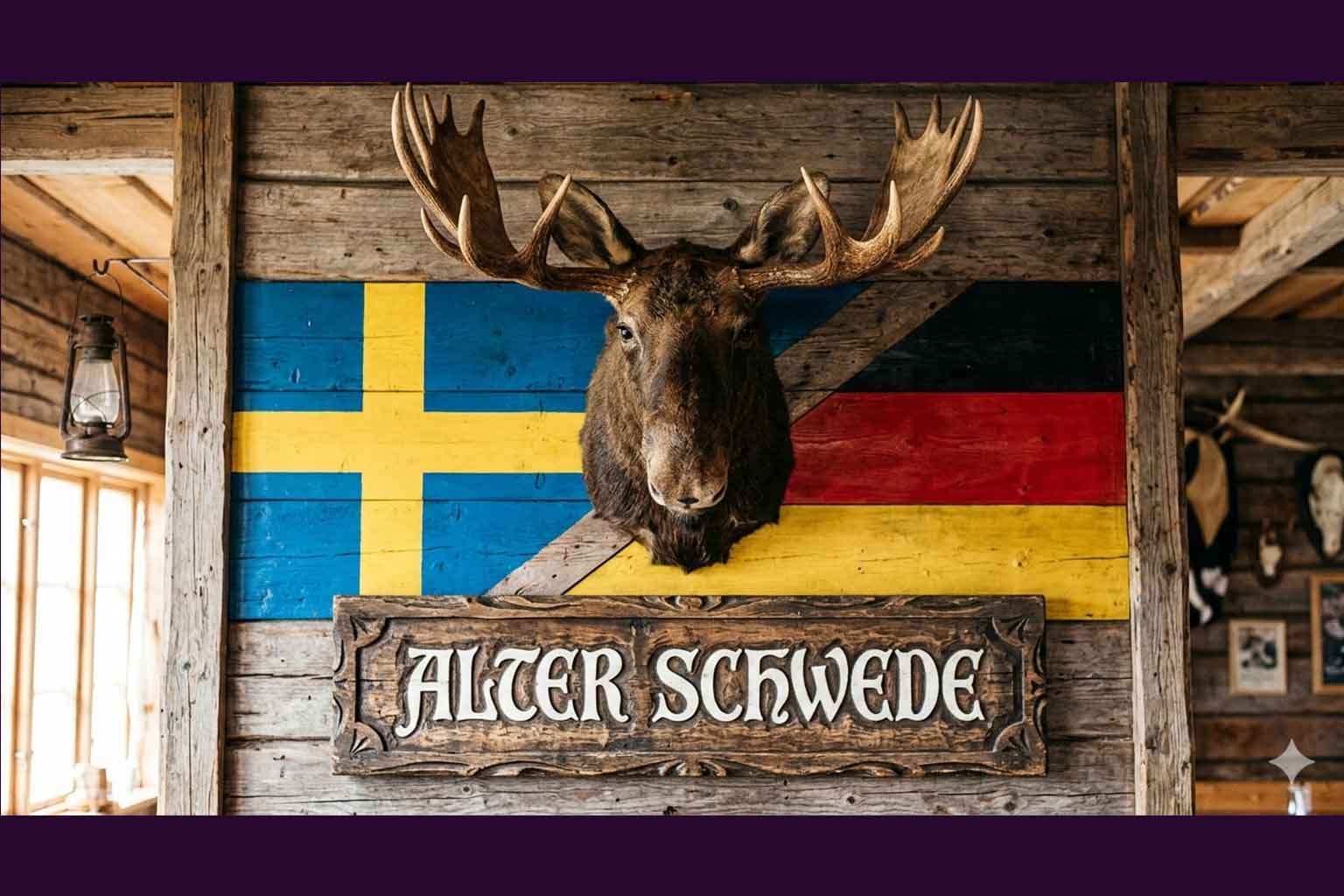
I remember one of my first meetings in Berlin. I heard the phrase “Alter Schwede” and initially thought they were talking about me, thinking, “I’m not that old, am I?” I was wrong. The literal meaning is “Old Swede,” but that doesn’t match its meaning in everyday German life: in reality, it means something like “Geez!” or “My goodness!”
If you use such an expression in a headline or slogan, it can send the wrong signals. In this article, we will look at why local idioms in German can become an SEO error, provide examples and simple solutions, and outline the risks of ignoring them.
Background
SEO is built on search engines understanding your language correctly. When targeting German users, one normally starts with Standard German and common keywords. However, the German language has many regional variants and slang expressions. Terms like “Öme” (alternatingly) in Bavaria or “Mahlzeit” (a casual lunchtime greeting) are not used in standard German SEO text.
If such terms appear, they risk confusing the algorithms. As SEO specialists point out, “incorrect formulations, grammatical errors, or idiomatic expressions” can significantly degrade a site’s ranking and even kill conversions.
On the other hand, SEO localization yields better results than pure translation. This means you don’t just translate word-for-word but adapt the content to the country’s culture and linguistic usage. As Weglot notes, a true localization process involves “removing jargon, metaphors, or contexts that may not be understandable in the target language.”
Linguistic nuances can differ greatly—grammar, syntax, or word choices that are natural to natives might sound strange if you aren’t careful. Therefore, it often requires someone who doesn’t just speak German, but someone who understands how the jargon works, so the text truly resonates with the target audience.
The Problem with German Expressions in International SEO
A clear problem arises when one blindly translates colloquial language. Take our “Alter Schwede!” example.
Other examples include typical dialects or slang words. A website using “Grüß Gott” in the intro (a Southern German/Austrian greeting) would only appeal to certain regions, and for search algorithms, it isn’t generic. Search volumes for “Grüß Gott” are low, and it doesn’t drive broad traffic to the site.
Conversely: if a competitor uses standard phrases like “Herzlich willkommen” or “Willkommen” in their meta tags, searchers will find that page much faster. In summary, slang and local expressions lead to the page missing the keywords users actually type in. Google and other search engines view text literally—an idiomatic expression can end up completely outside the intended purpose of the site.
Solutions: SEO Localization Instead of Direct Translation
To avoid these SEO mistakes, the main advice is to localize content correctly:
- Use standard German keywords and phrases. Conduct keyword analysis specifically for the German market. Find out which words and phrases Germans actually search for when looking for your products. This may require replacing a colloquial idiom with a more formal synonym.
- Short, clear sentences without unnecessary language. Avoid intricate metaphors and complicated slang. Keep the language concise.
- Test expressions with the target audience. If you want to use a Swedish or German expression in campaigns, try asking a local person first.
- Apply SEO localization. View the website from the perspective of German users. Change currency formats, units, and images if necessary. Follow an SEO localization mindset: adapt more than just words—make the content feel relevant within the German cultural sphere.
- Keep the SEO core clean: Use Hochdeutsch for titles and metadata. That is where serious business happens.
- Validate the intent: Don’t just ask what the word means. Ask what the customer wants to achieve when they type it.
- Technical hygiene: Ensure your WordPress architecture supports multilingualism in a way that is scalable and technically correct. Avoid automatic plugin translations that create “Alter Schwede” moments.
Risk Analysis: What Does Poor German SEO Cost?
If these measures are neglected, several risks arise: The page may drop in search results, and it can cause irritation. Users simply won’t find it because search engines don’t match local language usage with their search queries. Conversely, having idioms like “Alter Schwede” or dialectal elements can create a trust gap. A German visitor might find it strange or unprofessional and leave the site quickly. This manifests in increased bounce rates and lower conversions.
Ignoring these nuances is an expensive experiment:
- Wasted Budget: You pay for clicks that never convert.
- Brand Damage: It takes years to build trust in Germany, but seconds to demolish it with a clumsy word choice.
- Misinterpretation: Incorrect idioms can be perceived as sycophantic or even offensive if misplaced. An SEO error can thus become a PR error.
In the long run, these issues lead to lost traffic and revenue. Competitors with the right word choices will rank higher and gain market share. As one SEO analyst stated: idiomatic expressions in marketing can “significantly damage a site’s ranking.” By overlooking language nuances, you fail both the search engines and potential customers.
Conclusion: How to Build Sustainable Visibility in Germany
In summary, the smartest move is to combine Standard German with local expertise. Remember that the German market is large and multifaceted—it pays to do thorough local adaptation. Use clear headings and common search phrases, and remove any slang from texts and meta tags. The “Alter Schwede” example shows how a seemingly harmless phrase can be misleading. By investing in qualified localization and carefully selected keywords, you can instead increase traffic and conversions. In a globalized market, localization is an investment in credibility and visibility—and a simple way to avoid major SEO errors in the future.
One final piece of advice for CEOs regarding German SEO: Germany is a goldmine, but it requires precision. As a specialist with roots in both Sweden and the German agency world, my recommendation is simple: Stop treating localization as an afterthought. It is your most important technical asset.
SEO is not about being the biggest on Google. It’s about being the most relevant in the customer’s mind.
FAQ
What is the difference between translation and SEO localization?
Translation changes the language. SEO localization adapts the search intent and cultural context.
Do German expressions really affect ranking?
Yes. If they do not match the search intent, they can reduce visibility and conversion rates.
International SEO: How to avoid common pitfalls

Leave a Reply